

Wholesale PVA Polyvinyl Alcohol from China Suppliers - High-Quality Factory Products for Your Needs
Product Overview
Product Characteristics
It can dissolve in water at different temperatures to form a transparent solution.
Has a strong bonding effect on a variety of materials.
The formed film has high strength and flexibility.
To a certain extent, it can resist the erosion of common solvents.
Relatively non-toxic and friendly to the human body and the environment.
Product Use
• Used as warp sizing material to improve the strength and wear resistance of yarns.
• Printing and dyeing auxiliaries, help dye adhesion and uniform distribution.
• Paper surface sizing agent to increase the strength and water resistance of paper.
• Pigment coating adhesive to improve the properties of coated paper.
• Adhesive for wood, paper, fiber and other materials.
• Cement additives to improve the properties of cement.
• The raw material of drug capsule, the auxiliary material of ophthalmic medicine.
Production Process
Market Prospects
Use Precautions
Technical Indicators
| Model | HS1788SA1 | HS2488SA1 |
|---|---|---|
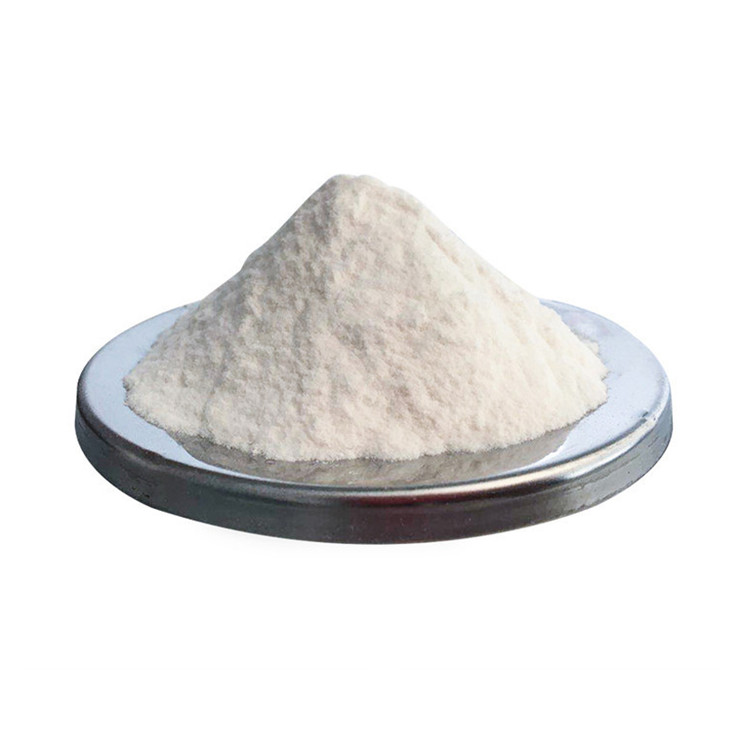
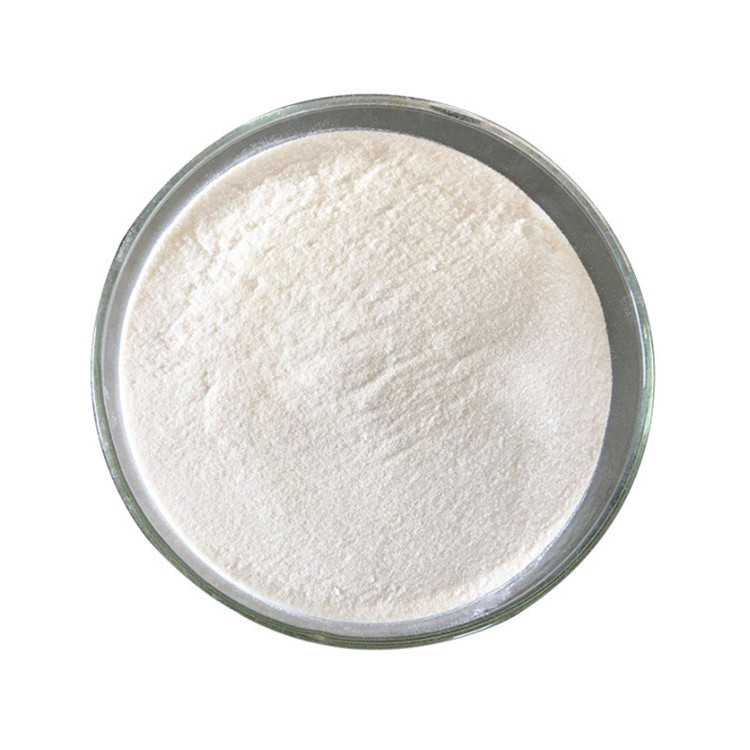
| Appearance | White powder | |
| Alcoholic degree/% | 87-89 | |
| Residual moisture content/% | ≤5.0 | |
| Burning residue /% | ≤0.5 | |
| PH (20%) | 5 - 7 | |
| Viscosity (4%)/MPa·S | 20.5 - 24.5 | 45.5 - 55.5 |
Application Areas
Application Performance
Details Pictures
Frequently Asked Questions (FAQ)
Polyvinyl alcohol is a synthetic water-soluble polymer typically supplied in white powder, flake, or flocculent form.
PVA is generally produced through the alcoholysis (saponification) of polyvinyl acetate.
PVA is broadly utilized in the textile industry (warp sizing and dyeing), paper manufacturing (surface sizing and coating), adhesives, building materials (cement and mortar additives), and pharmaceutical formulations.
Store PVA away from moisture and extreme heat. During the dissolution process, precisely manage temperature and stirring speed to prevent clumping and preserve performance integrity.
Both models feature a white powder appearance with an alcoholic degree of 87-89%, but differ primarily in viscosity: HS1788SA1 provides 20.5 - 24.5 mPa·s, whereas HS2488SA1 provides 45.5 - 55.5 mPa·s.
Yes, PVA exhibits good biocompatibility, is relatively non-toxic, and is considerate of human health and the environment.