



What Is Methyl Cellulose (MC) Cellulose Ether? Uses, How It Works, and Pharmaceutical & Industrial Applications
MC stands for Methyl Cellulose. It is one of the earliest developed and most industrially established members of the Cellulose Ether family. Its raw material is natural cellulose — the main component of cotton and wood pulp — chemically treated to attach "methyl" groups along the molecule chain.
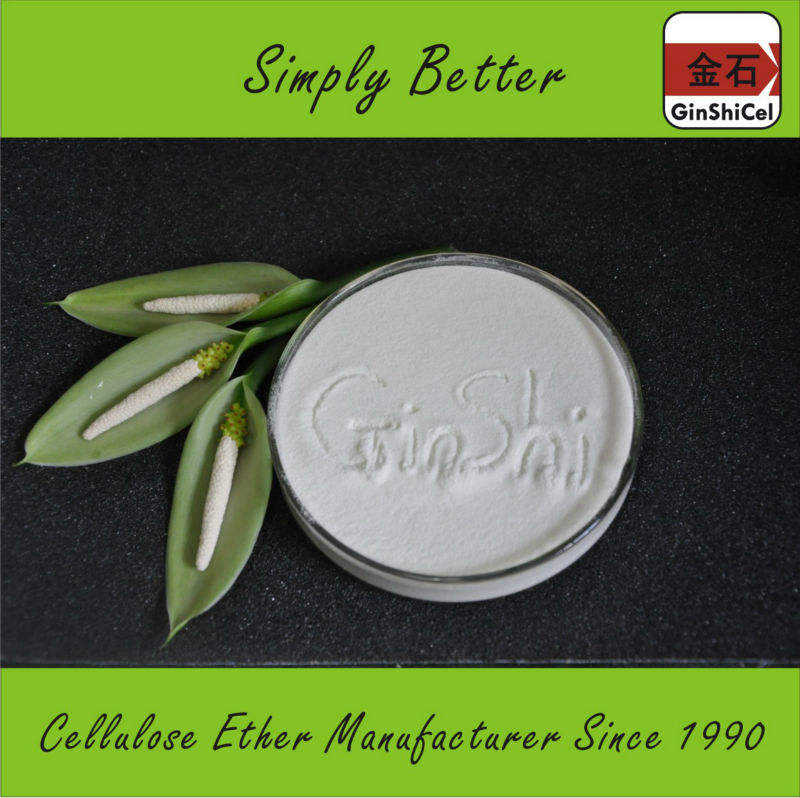
MC is a non-ionic cellulose ether: its molecules carry no electrical charge in water. That matters in practice, because dissolved calcium and magnesium ions and shifts in pH do not readily affect it, so a formulation stays more stable. In appearance, MC is a white or yellowish powder, odorless and non-toxic.
First, its dissolution behavior runs the opposite way to most products. Most water-soluble colloids are simply stirred into cold water and dissolve. MC does not work that way — added to water at 80–90°C it only disperses and swells, and it dissolves only once the temperature drops, forming a clear, viscous solution. So preparing MC means hot first, cold second.
Second, it turns to "jelly" when heated. Heat an MC solution to a certain temperature and it turns from a flowing liquid into a gel; cool it and it returns to liquid. This happens reversibly, again and again — that is reversible thermal gelation.
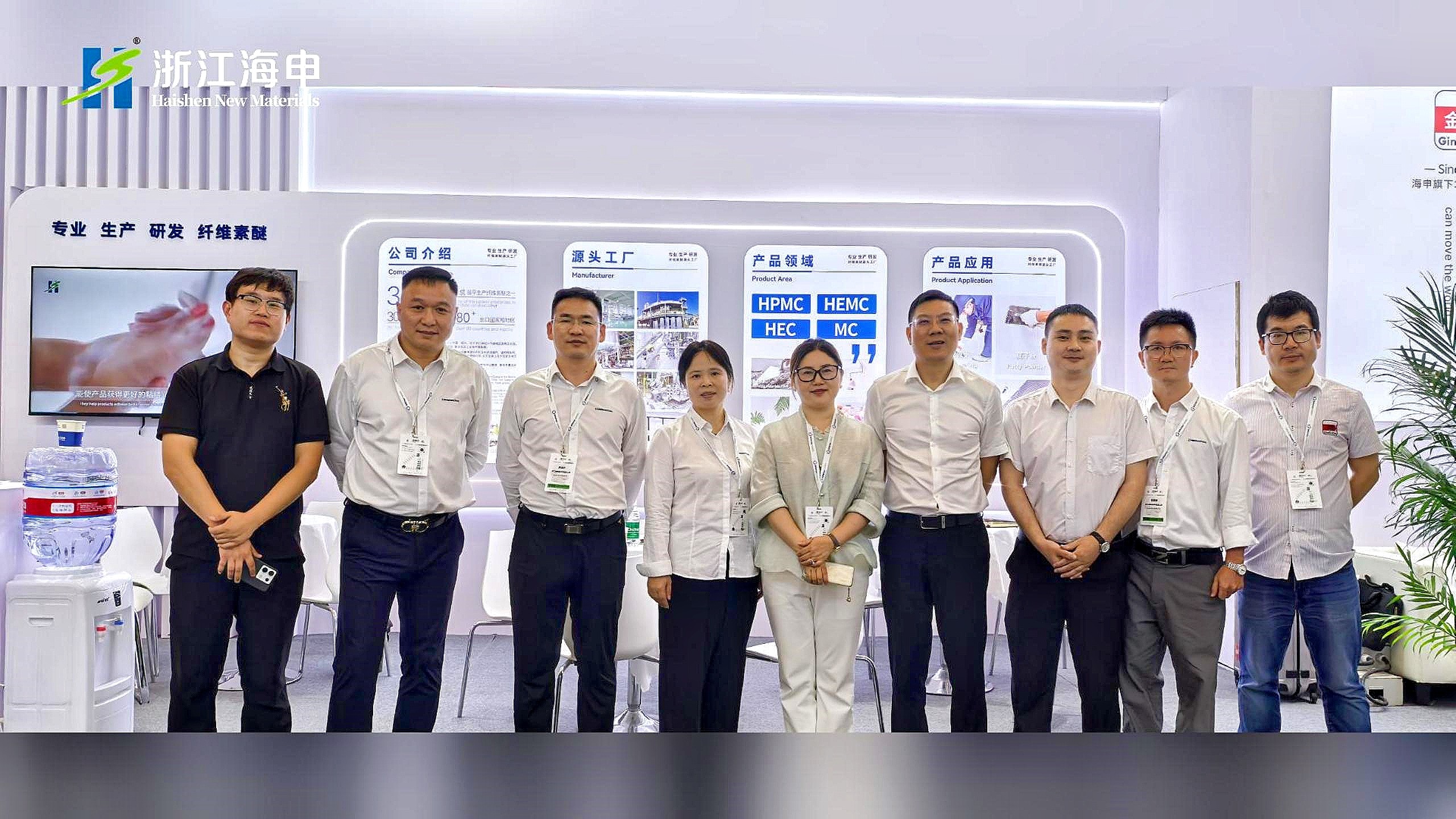
MC cellulose ether is produced and marketed under the registered trademark GinShiCel® by Zhejiang Haishen New Materials Co., Ltd., one of China's leading cellulose ether manufacturers, with over 35 years of production experience and exports to more than 80 countries worldwide.
These five behaviors are what set MC apart from other products — and why it is so widely used.
MC raises the viscosity of aqueous systems noticeably and locks water into the system. In coatings and personal care formulations, water retention keeps the system stable and prevents separation; in mortars and gypsum plasters, it ensures enough water remains for the hydration reaction to complete.
Viscosity is measured in MPa·S (millipascal-seconds) — the higher the number, the thicker the product. For reference, water at room temperature is about 1 MPa·S, while MC grades run from 5 to 150,000 MPa·S, more than a hundred thousand times that. Such a wide span means thin, free-flowing grades and thick, sag-resistant grades all exist within the same product family.
Heat the solution to a certain temperature and it gels; cool it and it returns to liquid, reversibly and repeatedly. The practical value: the system "holds its shape" at high temperatures instead of thinning, running, or separating — hard to replace in processes that must keep their form while being heated.
On drying, MC forms a clear, flexible, water-soluble film and bonds well. Film formation is used in tablet coating, ceramic body binding, and release agents; bonding is used in ceramic forming — holding powder together into a solid body.
MC helps oil and water phases coexist stably and keeps solid particles evenly suspended rather than settling, which gives emulsions and suspensions a longer shelf life and more consistent quality.
MC is mildly surface-active, improving wetting of and adhesion to substrates — in plain terms, it "sticks". It also tolerates dissolved salts to a moderate degree and holds its basic performance in salt-containing systems.
The table below lists the standard technical specifications of GinShiCel® MC products. The third column explains in plain language what each one actually governs.
| Parameter | GinShiCel® MC | What it means |
|---|---|---|
| Appearance | White or yellowish powder | Standard powder form — easy to dry-blend and feed |
| Methoxyl group content | 27.5–31.5% | The key indicator governing dissolution and gelation temperature |
| Fineness | 80 mesh sieve residue ≤8.0% | Particle size — affects dissolution speed and dispersion uniformity |
| Dry weight loss | ≤5.0% | Moisture level; the lower the value, the less the powder cakes |
| Ash | ≤1.0% | Residue left after burning — lower suits processes needing clean burnout |
| Viscosity | 5.0–150,000.0 MPa·S | Higher means thicker; the wide span leaves plenty of room for grade selection |
| pH value | 5.0–9.0 | Close to neutral, compatible with most formulation systems |
| Light transmittance | ≥80% | Solution clarity — reflects how clean the dissolved product is |
Taken together, two points stand out within Haishen's cellulose ether portfolio: MC covers the widest viscosity range, from ultra-low to high, and it has the lowest ash content, burning off with minimal residue. The first means more room in grade selection; the second means it suits processes that require clean burnout.
In building materials, HPMC (hydroxypropyl methyl cellulose) is now the mainstream choice and MC usage there has declined. MC's genuinely large-scale applications today are in industrial fields such as coatings, ceramics, and personal care. We start with those.
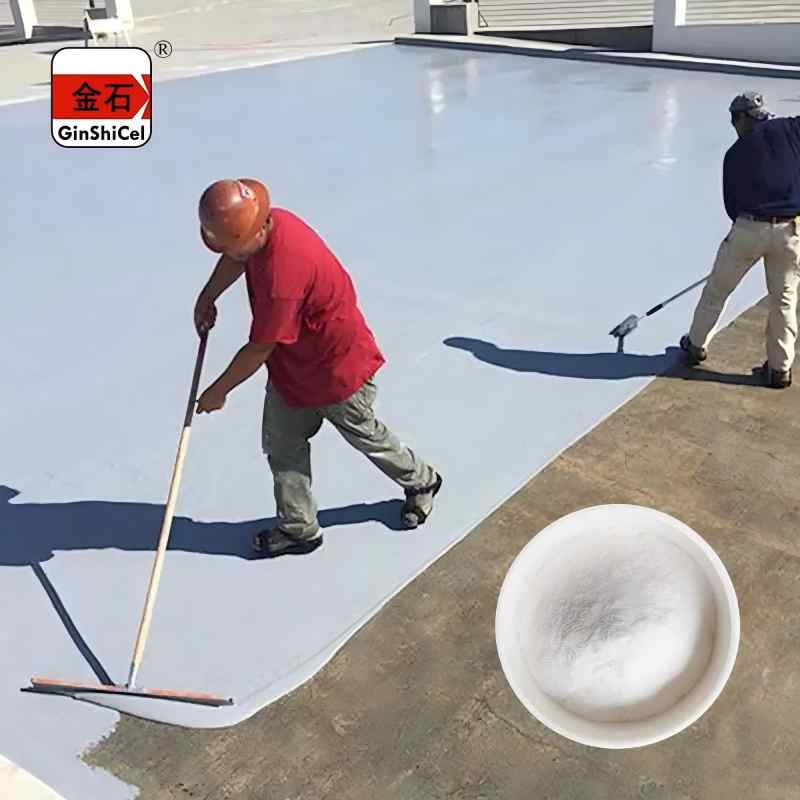
Mainly a thickener and film-forming agent. The clear film it forms helps improve coating durability and appearance. Used in water-based coatings, primers, and specialty paint formulations.
A binder. It holds the powder together into a body, giving the unfired ("green") ceramic enough strength to be handled and trimmed without cracking; during firing it burns off cleanly, leaving no residue that would affect the finished product's color or density.
Non-toxic, non-irritating, and film-forming, which makes it suitable for personal care products — used as a thickener, stabilizer, and film-forming agent in creams, lotions, and shampoos.
Used in drilling fluids for thickening, fluid-loss control, and suspension. Fluid-loss control in plain terms: under downhole pressure, drilling fluid tends to seep into the rock formation and be lost — MC thickens the fluid and builds a thin filter cake on the wellbore wall, reducing that loss and keeping circulation going. Its thermal gelation behavior is especially valuable in high-temperature wells.
A thickener for printing pastes and a sizing agent for yarn. Film formation and bonding help keep print outlines sharp; sizing before weaving raises yarn strength and reduces breakage.
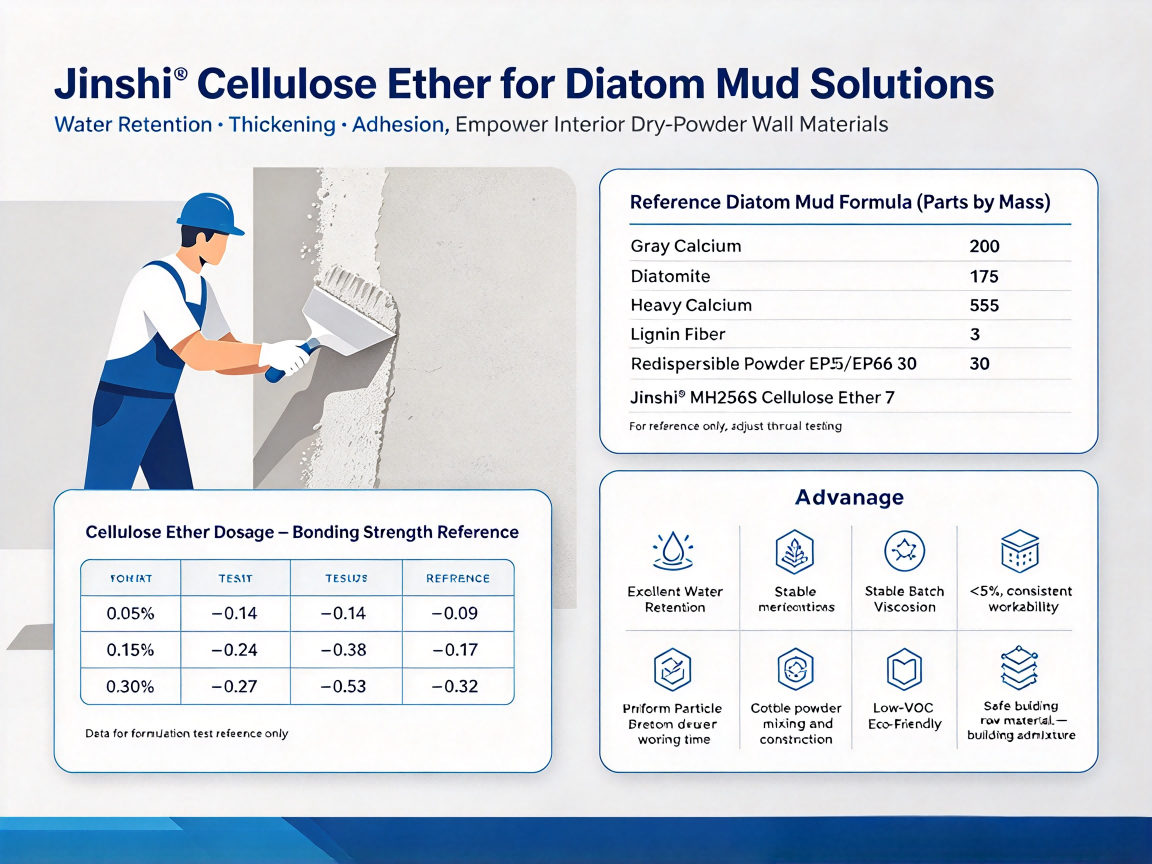
Historically MC was widely used in dry-mix construction products, and HPMC is the mainstream today. MC is still used in scenarios with specific requirements for thermal gelation, low ash, or ultra-low viscosity — cement-based mortars, gypsum plasters, and tile adhesives, for example — where it provides water retention, anti-sagging, improved workability, and extended open time. "Anti-sagging" means the mortar does not run down the wall after being applied; "open time" is how long you can still adjust and level the surface after application.
Based on its material properties, MC suits a range of pharmaceutical and food processes — tablet binders and film coating, sustained-release matrices, and suspending agents; in food systems it acts as a thickener and stabilizer. Where the target market has granted the relevant clearance, MC can be used as a pharmaceutical excipient and as a food additive (E461).
Because pharmacopoeial and registration requirements differ from market to market, grade selection and documentation are confirmed case by case. GinShiCel® MC grades for pharmaceutical and food use are available, and supporting documents — Certificate of Analysis (CoA), technical data sheet (TDS), and safety data sheet (SDS) — are issued per grade. Whether a specific grade meets the pharmacopoeial monograph requirements of your market (USP, EP, or JP, for example) can be verified with our technical team before you commit.
Work through the five steps below.
Step 1 — Match the viscosity band to the application. Ultra-low viscosity (5–50 MPa·S) for pharmaceutical coating and binding, ceramic body binding, and thin-film applications; low to medium viscosity (50–5,000 MPa·S) for coatings, cosmetics, and textile printing and dyeing; high viscosity (5,000–150,000 MPa·S) for industrial thickening and heavy-duty mortars. Adjacent bands share their boundary values — the nominal viscosity of each grade is the final reference.
Step 2 — Confirm how the viscosity was measured. Viscosity varies with temperature and concentration, so the measurement conditions behind a nominal value must match your actual use conditions. Our technical team can help if anything is unclear.
Step 3 — Check the operating temperature. MC gels when heated. If your process runs hot, establish at what temperature the grade you selected begins to gel and how that affects performance.
Step 4 — Check compatibility. Confirm the grade is compatible with the salts, surfactants, and other polymers in your formulation.
Step 5 — Check burnout requirements, and consider a custom grade. For ceramics and high-temperature processes, check the ash specification against your requirements. If no existing grade fits, Haishen can develop custom grades to your viscosity specification and processing needs.
Hot-water method (standard dissolution). Never tip the powder straight into cold water — the particles swell instantly at the surface and stick together into lumps, and the outer layer then blocks water from reaching the inside, so they never dissolve. The correct approach is hot first, cold second: ① Heat about one third of the total water to 80–90°C. ② Add the MC powder under stirring — it disperses but does not dissolve. ③ Add the remaining cold water and keep stirring. ④ Once the temperature reaches room temperature, the MC is fully dissolved and viscosity fully developed.
Dry-mix method (ceramics and industrial use). ① Dry-blend the MC powder with the other dry ingredients. ② Add water and mix to the required consistency. ③ Let it rest briefly for full hydration.
In coatings. Prepare the MC solution by the hot-water method above, then add it to the coating formulation and adjust viscosity by changing the MC dosage.
Haishen operates a full-process quality control system, testing at every stage from raw material screening and process control through to finished product packaging. Every batch is retained and traceable, with data archived to keep quality consistent between batches. The technical team at the company's R&D center provides customers with formulation guidance, product testing, and performance evaluation support.
MC is a mature, multi-functional cellulose ether whose core strengths are an exceptionally wide viscosity range, the lowest ash content, reversible thermal gelation, and good film-forming ability. That gives it clear value in industrial fields such as ceramics, coatings, and personal care, and it is equally applicable in pharmaceutical and food development work; in building materials, HPMC is the more mainstream choice.
When selecting a grade, weigh application requirements, viscosity range, thermal behavior, compatibility, and burnout requirements together — and with GinShiCel®'s full product range and technical support behind it, you can find the grade that matches.