
Leave Your Message
HPMC Hydroxypropyl Methyl Cellulose - Odorless Powder from Reliable China Suppliers and Factory
Hot Products

HPMC Hydroxypropyl Methyl Cellulose - Odorless Powder from Reliable China Suppliers and Factory

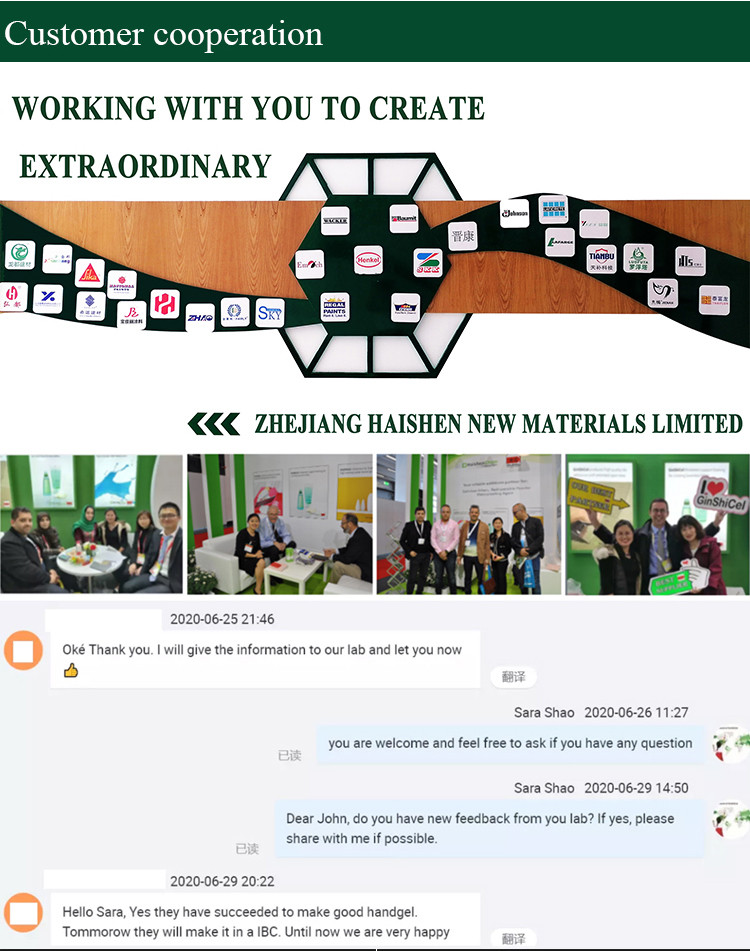
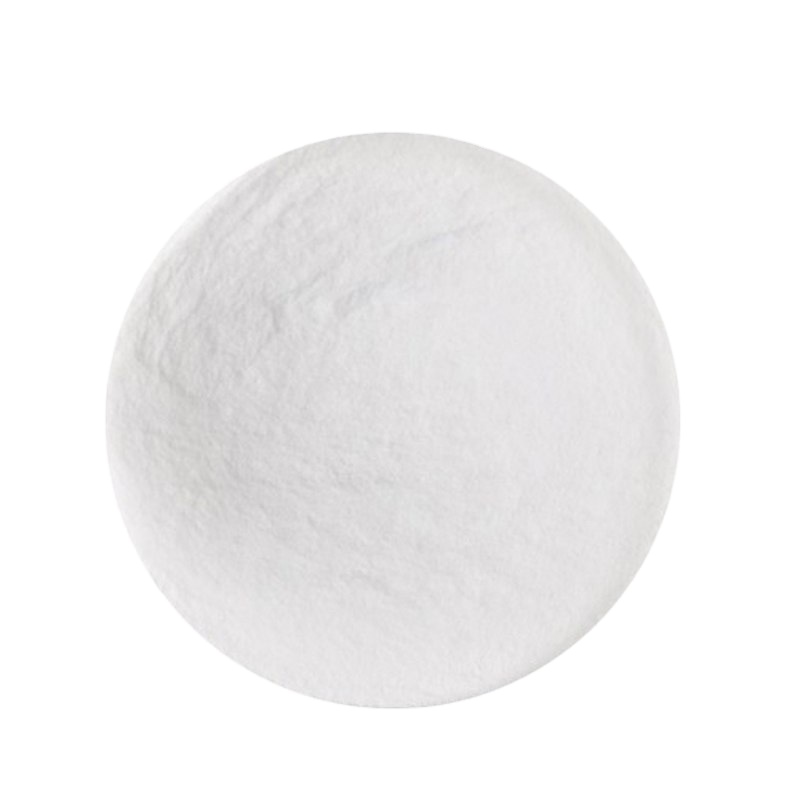
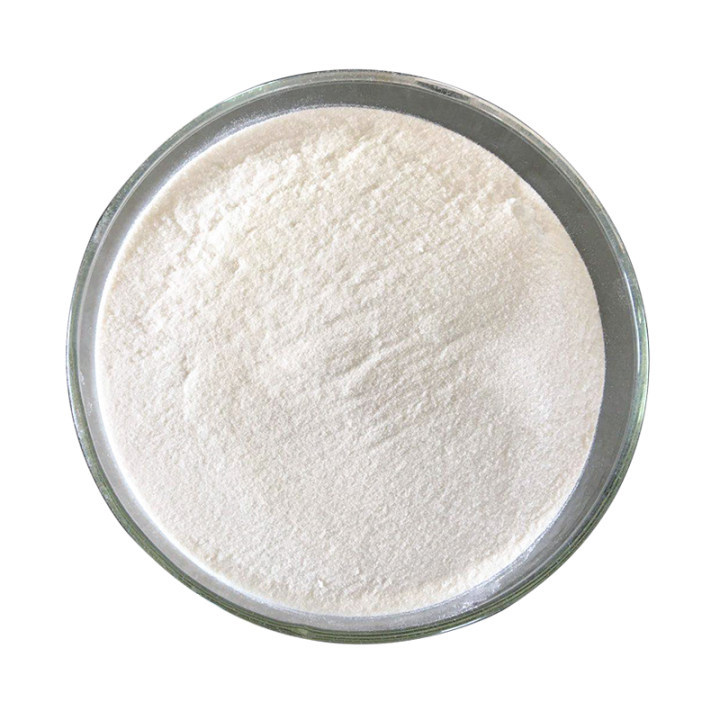
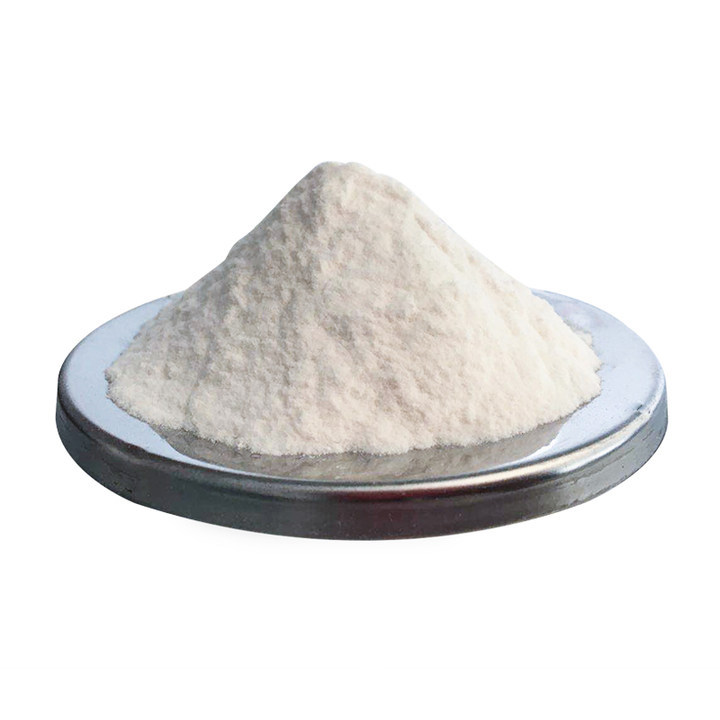
• This product is an odorless, tasteless, and non-toxic powder available in white or yellowish colors, sourced from reputable suppliers in China.

• It easily dissolves in cold water, forming a clear or slightly turbid colloidal solution, making it ideal for various applications in industries served by our factory.

    Product Overview

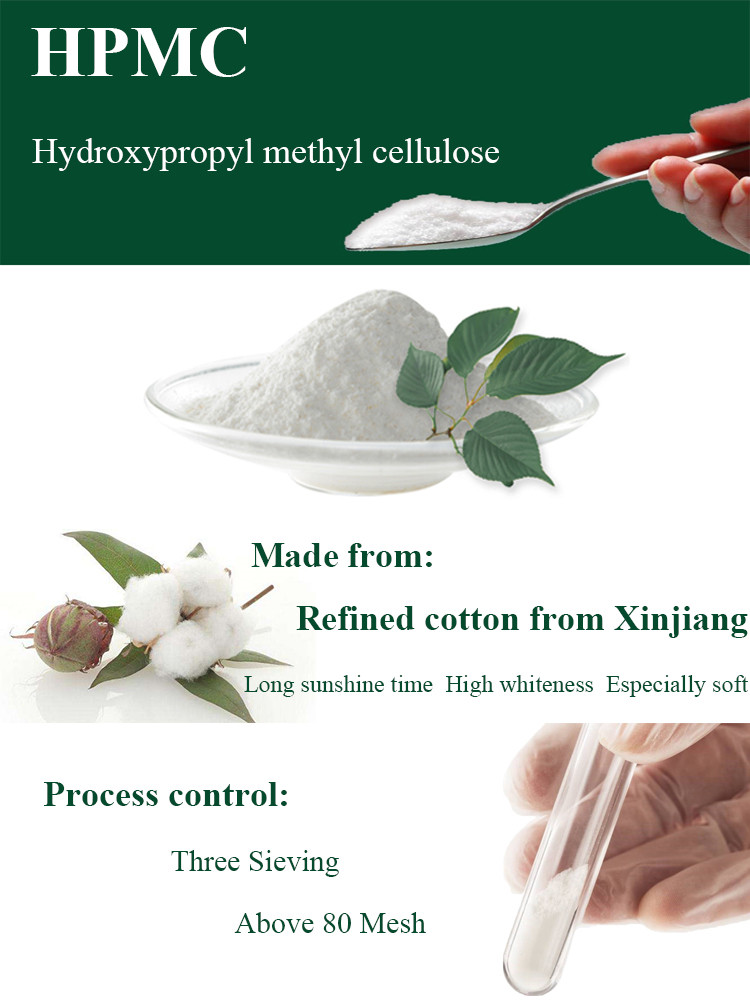
    HPMC is a semi-synthetic nonionic cellulose mixed ether that usually appears as a white or white-like powder. It is prepared by chemical modification of natural cellulose.

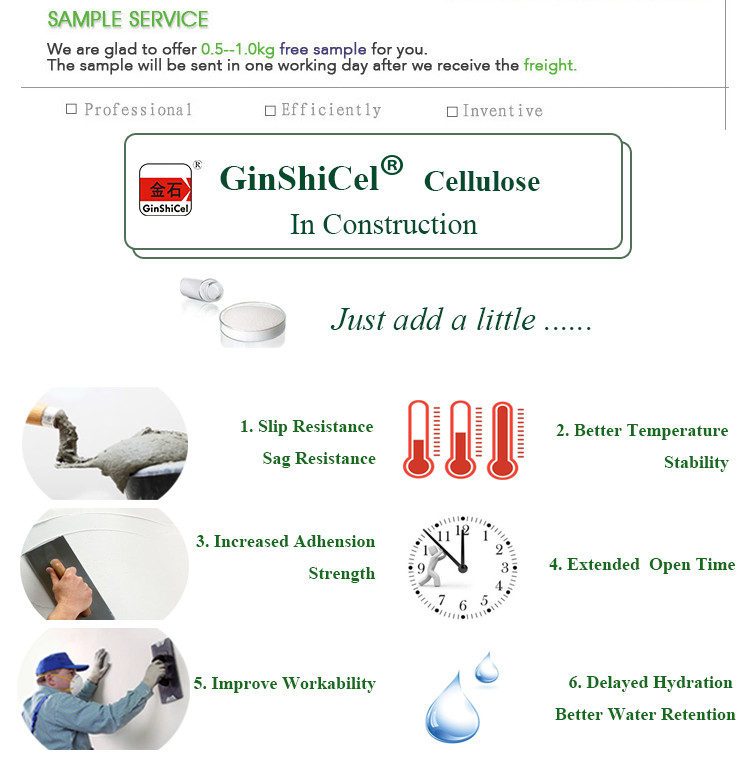
    Good water solubility: It can be quickly dissolved in cold water to form a transparent viscous solution.

    Product Characteristics

    Excellent Thickening

    Significantly improve the viscosity and consistency of the liquid, improve fluidity and stability.

    Excellent Film Formation

    When dried, a tough film is formed, which is water resistant, breathable and flexible.

    Good Biocompatibility

    Non-toxic, tasteless, non-irritating, suitable for biomedicine field.

    Environmentally Degradable

    Naturally degradable in the environment, in line with the requirements of green environmental protection.

    Product Use

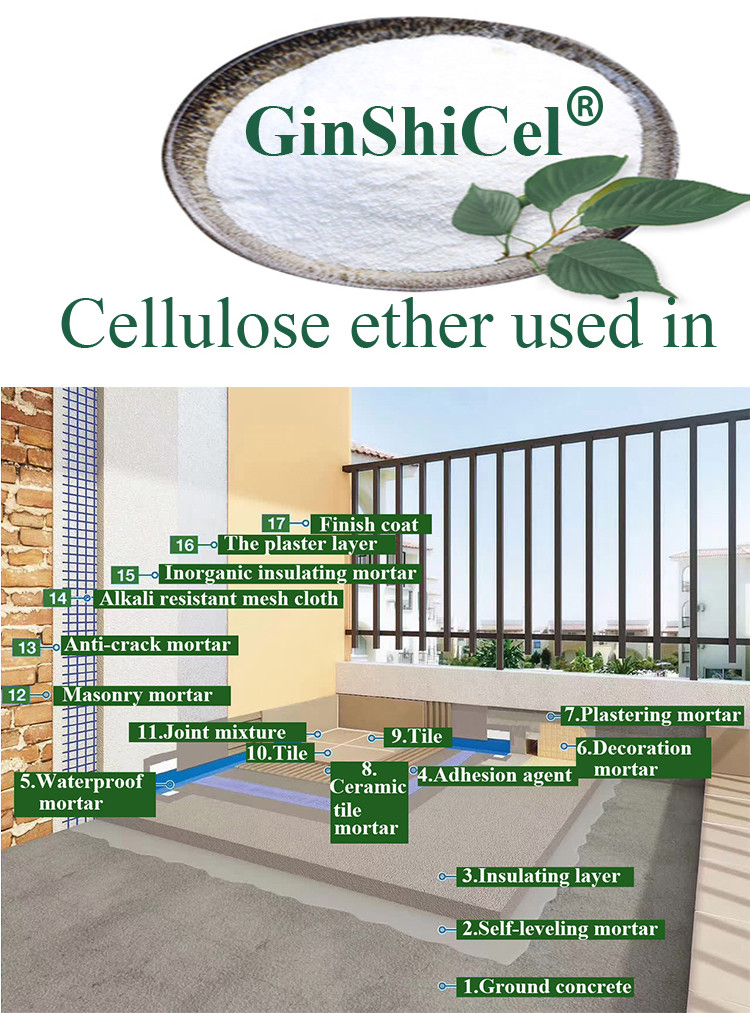
    Construction Industry

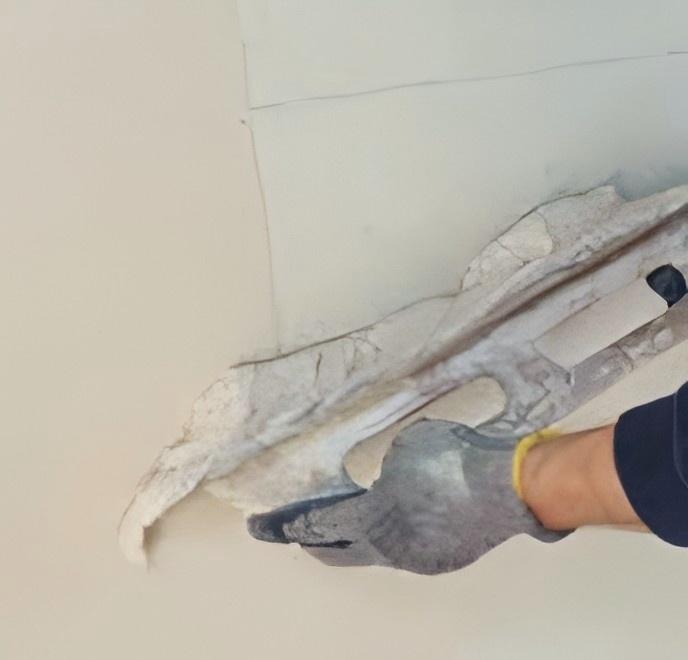
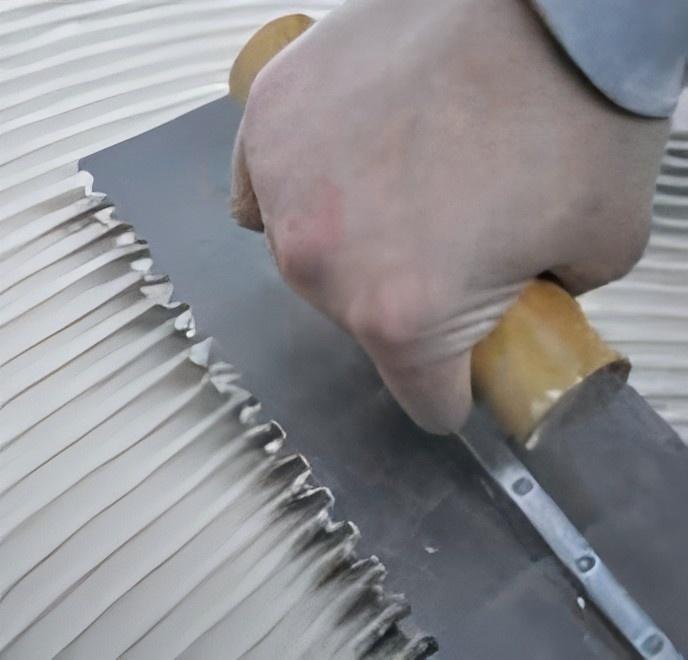
    Used as water retaining agent and retarding agent of cement mortar to improve spreadability and operation time; As an adhesive, it is used to paste decorative materials such as tiles and marbles.

    Coating Industry

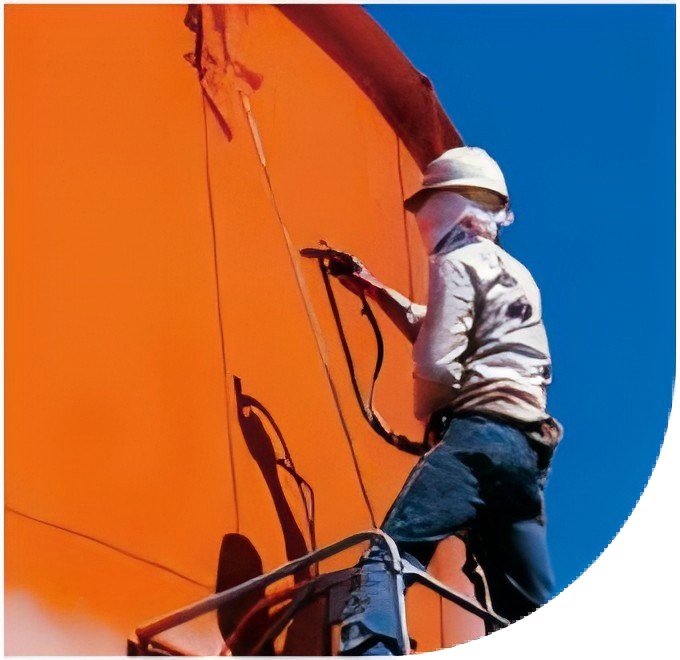
    As a thickener, dispersant and stabilizer, improve the performance of coatings.

    Pharmaceutical Field

    It can be used as film coating material, sustained release agent, capsule shell material, suspension aid, etc.

    Food Industry

    Acting as thickener, emulsifier, stabilizer and other roles.

    Production Process

    Usually cotton, wood as raw materials, through the alkalization, propylene oxide and chloromethane etherification process to prepare.

    Market Prospects

    With global economic development and environmental awareness, its market demand continues to grow. Applications in green buildings, environmental protection coatings, biomedicine and other fields continue to expand, and the market scale is expected to further expand. But at the same time, the industry is also facing challenges in technological innovation, market competition and environmental protection requirements.

    Use Precautions

    In the process of use, it is necessary to pay attention to the dissolution method, and choose the appropriate dissolution method according to different models. At the same time, pay attention to storage conditions, should be placed in a dry, clean cool place to ensure product quality and performance.

    Characteristics

    Moisture retention Colloidal protection Suspension Absorption Surface activity Thickening Dispersion Emulsification Film formation

    Usage

    Building Materials Petro Chemical Medicine Ceramics Textile Food Daily Chemical Synthetic Resins Electronics

    Technical Indicators

    Model E F J K
    Methoxy content /% 28.0-30.0 27.0-30.0 16.5-20.0 19.0-24.0
    Hydroxypropoxy content /% 7.5-12.0 4.0-7.5 23.0-32.0 4.0-12.0
    Dry weight loss rate /% ≤5.0
    Viscosity /MPa·S 100.0 - 80000.0 (annotated value±20%)
    PH(1%25℃) 5.0-9.0
    Light transmittance /% ≥80
    Gel temperature /℃ 58.0-64.0 62.0-68.0 68.0-75.0 70.0-90.0

    Details Pictures

    HPMC (1)ezh
    HPMC (2)sy8
    HPMC (3)lof
    HPMC (4)mfy
    HPMC (4-1')jyf
    HPMC (5)1yw
    HPMC (6)osd
    HPMC (7)uf3

    Frequently Asked Questions (FAQ)

    Q1: What is HPMC and what is its appearance?
    HPMC (Hydroxypropyl Methylcellulose) is a semi-synthetic nonionic cellulose mixed ether prepared by chemical modification of natural cellulose. It usually appears as a white or white-like powder and has good solubility in cold water to form a transparent viscous solution.
    Q2: What are the main functional characteristics of HPMC?
    HPMC features excellent thickening, superior film-forming capability, high biocompatibility (non-toxic and non-irritating), moisture retention, colloidal protection, surface activity, and natural environmental degradability.
    Q3: Which industries commonly use HPMC?
    HPMC is widely applied across the construction industry (water retaining/retarding agent in cement mortar and tile adhesives), coating industry, pharmaceuticals (film coating, capsule shell, sustained release), food industry, ceramics, textiles, daily chemicals, synthetic resins, and electronics.
    Q4: How is HPMC manufactured?
    It is prepared using cotton or wood as raw materials through chemical processes including alkalization and etherification using propylene oxide and chloromethane.
    Q5: What are the best practices for dissolving and storing HPMC?
    During application, select the appropriate dissolution method based on the specific product model. For storage, keep the material in a clean, cool, and dry place to preserve its optimal quality and technical performance.
    Q6: What models and viscosity grades are available for HPMC?
    HPMC is available in standard models including E, F, J, and K, covering a wide viscosity range from 100.0 to 80000.0 MPa·S, with gel temperatures spanning 58.0°C to 90.0°C according to specific formulations.

    Leave Your Message