
Leave Your Message
HPC Hydroxypropyl Cellulose - China Suppliers & Factory for Low and High Substituted Cellulose Ethers
Hot Products

HPC Hydroxypropyl Cellulose - China Suppliers & Factory for Low and High Substituted Cellulose Ethers

• Our premium non-ionic hydroxyalkyl cellulose ether is expertly produced from cellulose through a meticulous process of alkalization, etherification, neutralization, and thorough washing, ensuring high quality.

,

• Available in two varieties, low substituted hydroxypropyl cellulose (L-HPC) and high substituted hydroxypropyl cellulose (H-HPC), to meet diverse formulation needs.

,

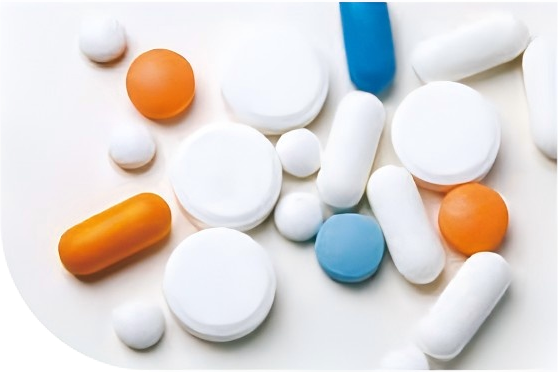
• L-HPC is predominantly used as an effective tablet disintegrator and binder, making it a preferred choice among manufacturers in China.

,

• H-HPC serves as a versatile pharmaceutical binder, film coating agent, and thickening agent in elixirs, fulfilling the requirements of top suppliers and factories in the industry.

    Product Introduction

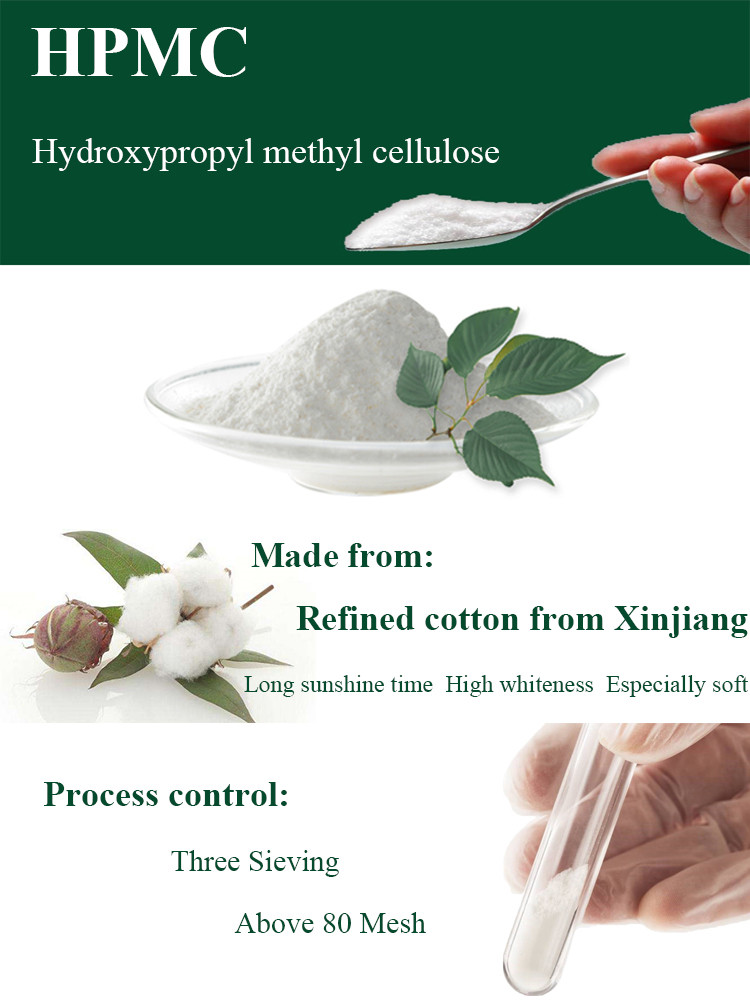
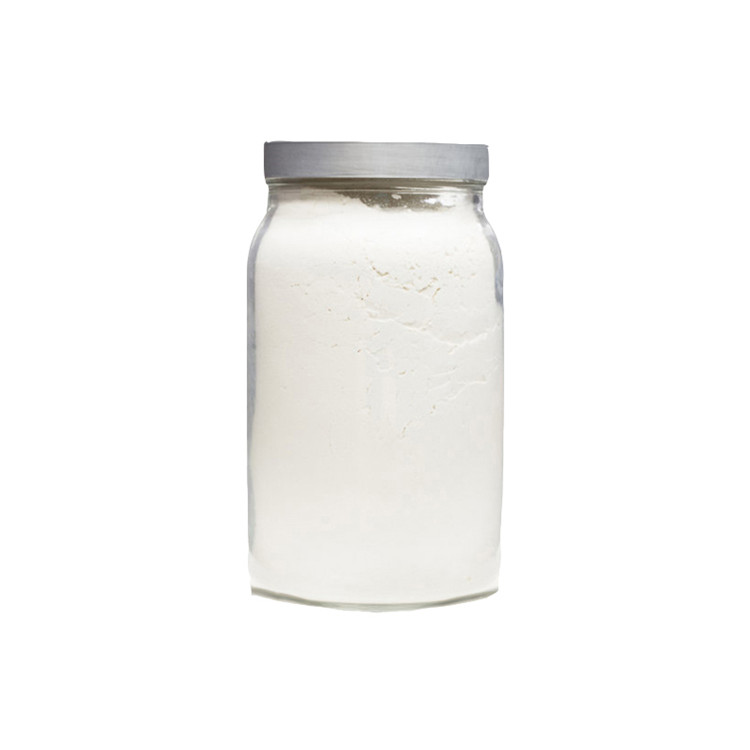
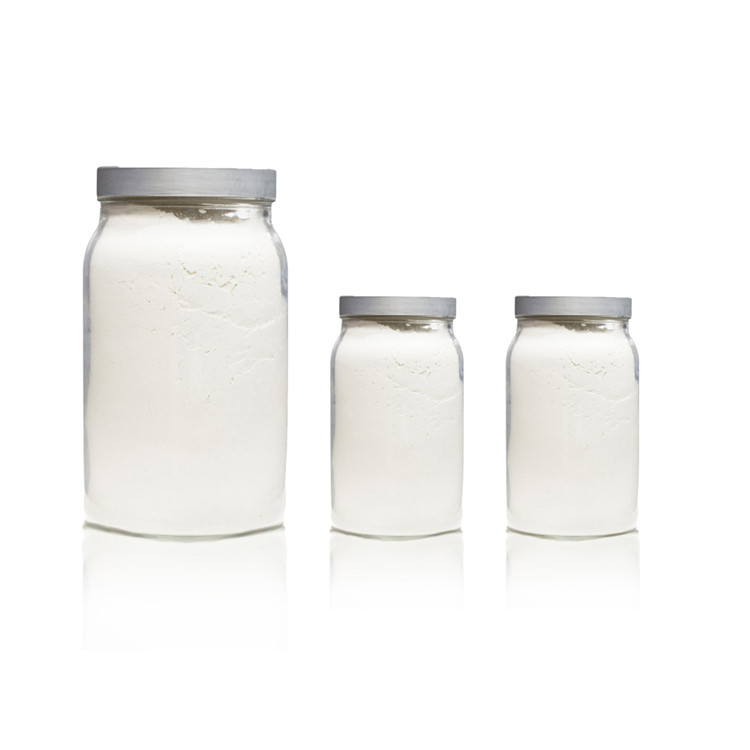
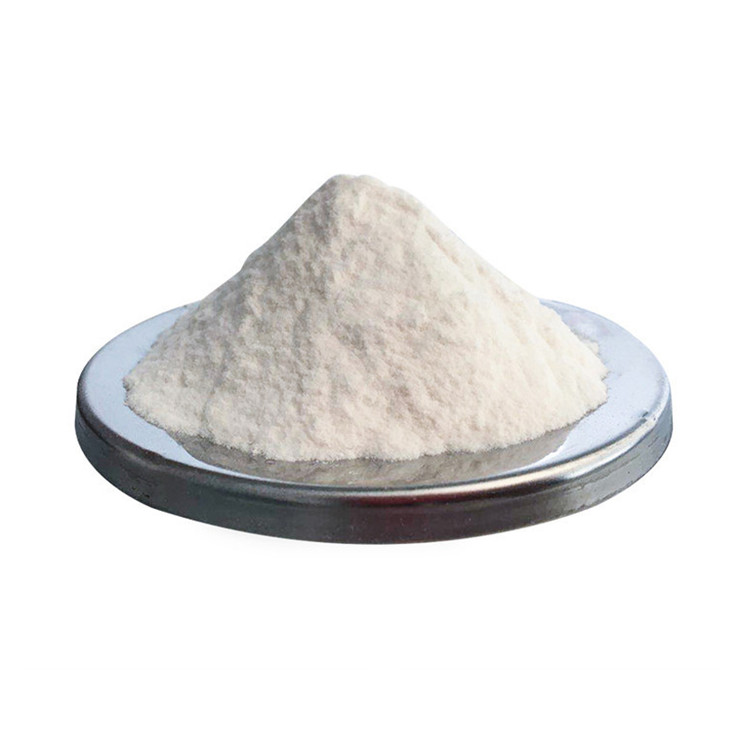
    Hydroxypropyl Cellulose (Hydroxypropyl cellulose) is a non-ionic cellulose ether that appears as a white or white-like powder.

    Product Characteristics

    Excellent Water Solubility It can be quickly dissolved in cold water to form a transparent and stable solution.
    Good Thermal Stability It can still maintain its stable performance at higher temperatures.
    Surface Activity Has a certain surface activity, can improve the interface performance.
    Good Film Formation The film formed is tough, transparent and has good air permeability.
    Wide Compatibility Compatible with a variety of organic and inorganic compounds.

    Product Applications

    Pharmaceutical Industry As an adhesive and film coating material for tablets, it can also be used to manufacture slow-release preparations.
    For example, in some sustained-release tablets, the release speed of the drug is controlled to improve the efficacy.
    Cosmetics Industry Used in lotions, creams and other products to increase consistency and stability.
    Food Industry As a thickening agent, emulsifier and stabilizer, improves the texture and taste of food.
    As in ice cream, to make it more delicate and smooth.
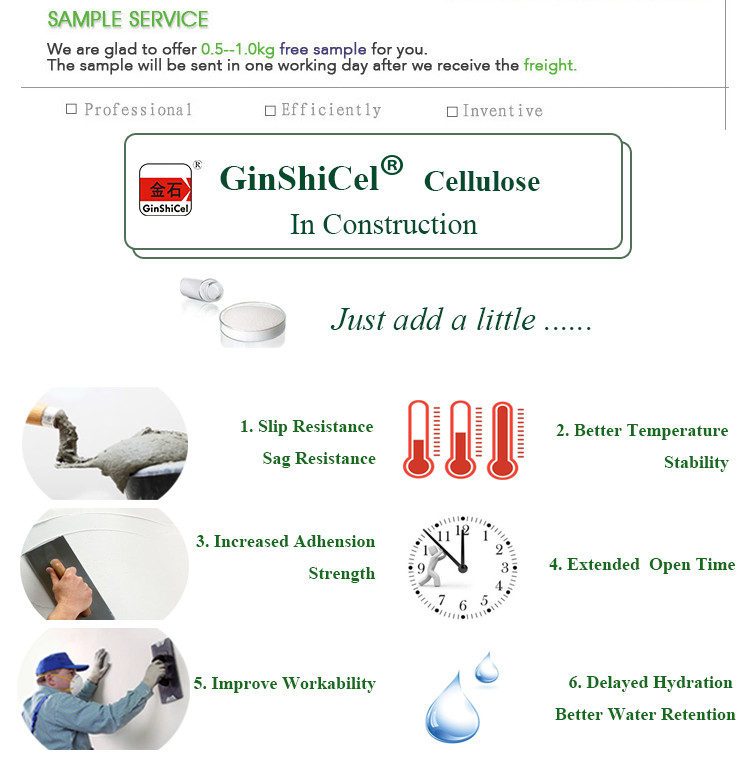
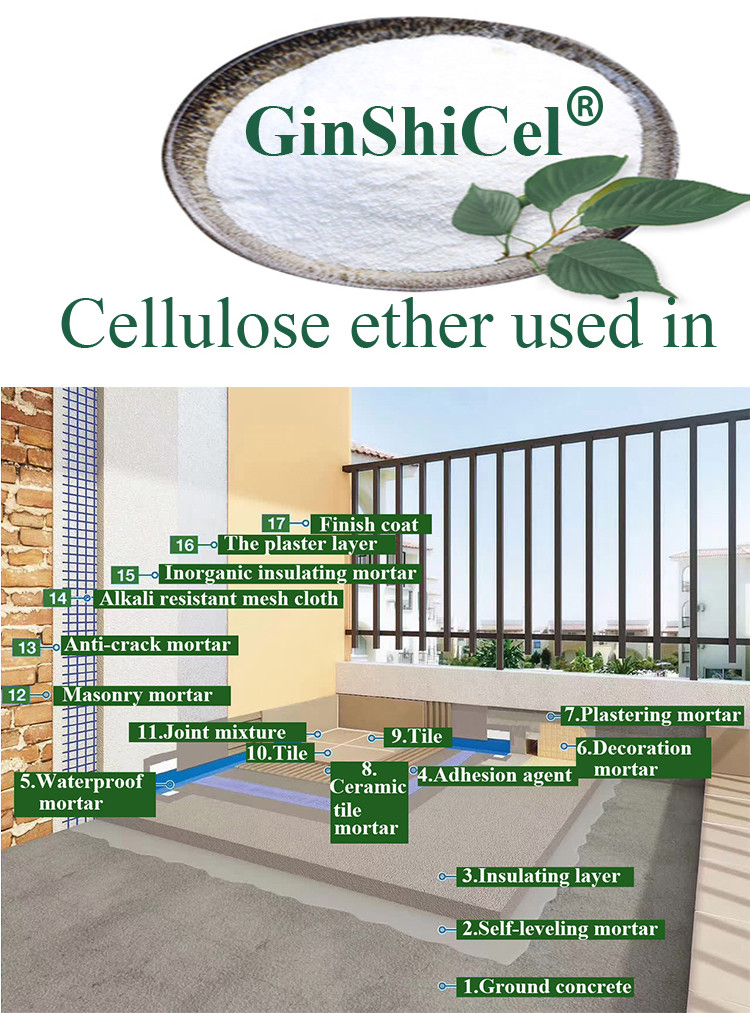
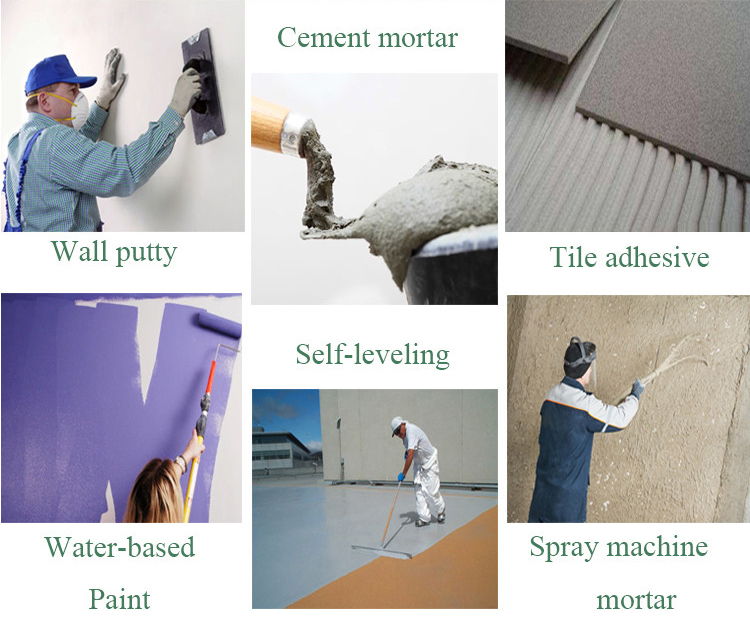
    Building Materials Can improve the adhesion and construction performance of mortar, putty, etc.

    Production Process

    It is usually made from cellulose and propylene oxide by etherification under alkaline conditions.

    Market Prospects

    With the rising demand for high-quality raw materials in various industries, Hydroxypropyl Cellulose has a promising market. Driven by strict standards in the pharmaceutical sector and innovative developments in the cosmetics and food industries, its market demand continues to grow.

    Use Precautions

    Storage Conditions Storage should be placed in a dry, well-ventilated environment, avoid moisture and high temperature.
    Dissolution Method When dissolved, it should be gradually added and stirred to ensure full dissolution and avoid agglomeration.
    Dosage Optimization According to different application scenarios and formulations, reasonable adjustment of the addition amount to achieve the best effect.
    In short, Hydroxypropyl Cellulose plays an important role in many fields due to its excellent properties, providing strong support for the quality improvement and performance optimization of related products.

    Technical Indicators

    Model Low substitution High substitution
    Appearance White or yellowish powder
    Hydroxypropoxy content /% ≤10.0 ≥55.0
    Fineness /% 80 mesh sieve residue≤8.0
    Dry weight loss rate /% - ≤5.0
    Ash /% - ≤0.5
    Viscosity /MPa·S - 50.0-1000.0
    PH value - 5.0-9.0
    Light transmittance /% - ≥80

    Product Gallery & Details

    Frequently Asked Questions (FAQ)

    What is Hydroxypropyl Cellulose (HPC)?

    Hydroxypropyl Cellulose is a versatile non-ionic cellulose ether appearing as a white or white-like powder, widely used across multiple industries for its solubility, film-forming, and stabilizing properties.

    What are the primary characteristics of Hydroxypropyl Cellulose?

    It exhibits excellent cold water solubility forming transparent solutions, outstanding thermal stability, surface activity, tough and breathable film formation, and broad compatibility with organic and inorganic compounds.

    What are the main application areas of Hydroxypropyl Cellulose?

    It is predominantly utilized in pharmaceuticals (tablet binders and controlled drug release coatings), cosmetics (lotions and creams for stability), food products (thickener, emulsifier, and texture improver), and building materials (enhancing mortar and putty adhesion).

    How is Hydroxypropyl Cellulose manufactured?

    It is manufactured from natural cellulose through an etherification process with propylene oxide under controlled alkaline conditions.

    What are the recommended storage and dissolution guidelines?

    Store in a dry, well-ventilated space away from moisture and extreme heat. When dissolving, add the powder gradually with continuous stirring to prevent agglomeration and ensure complete dissolution.

    What is the difference between Low and High substitution models?

    Low substitution models have a hydroxypropoxy content of ≤10.0%, whereas high substitution grades feature ≥55.0% hydroxypropoxy content, providing distinct viscosity, optical clarity (≥80% light transmittance), and functional performance.

    Leave Your Message