

Hot Products
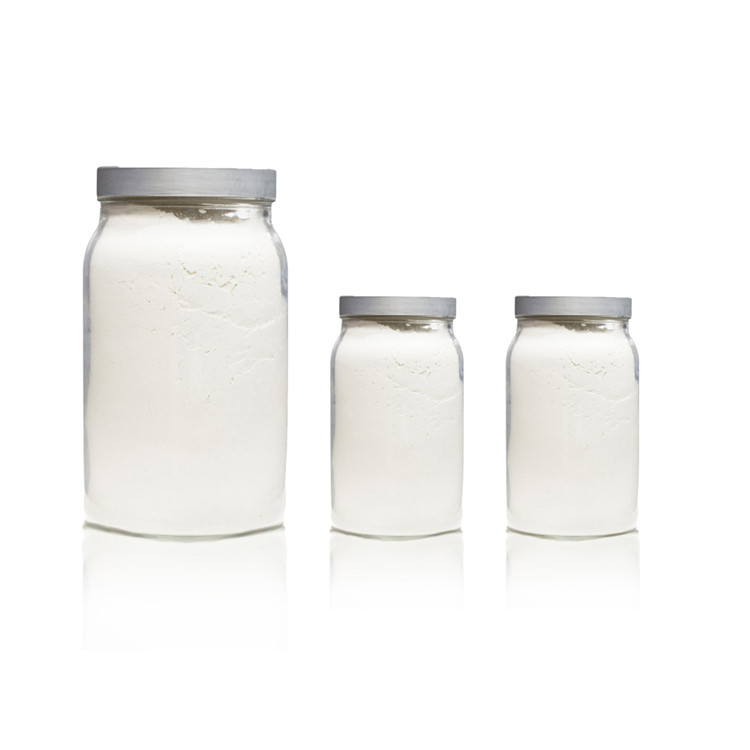
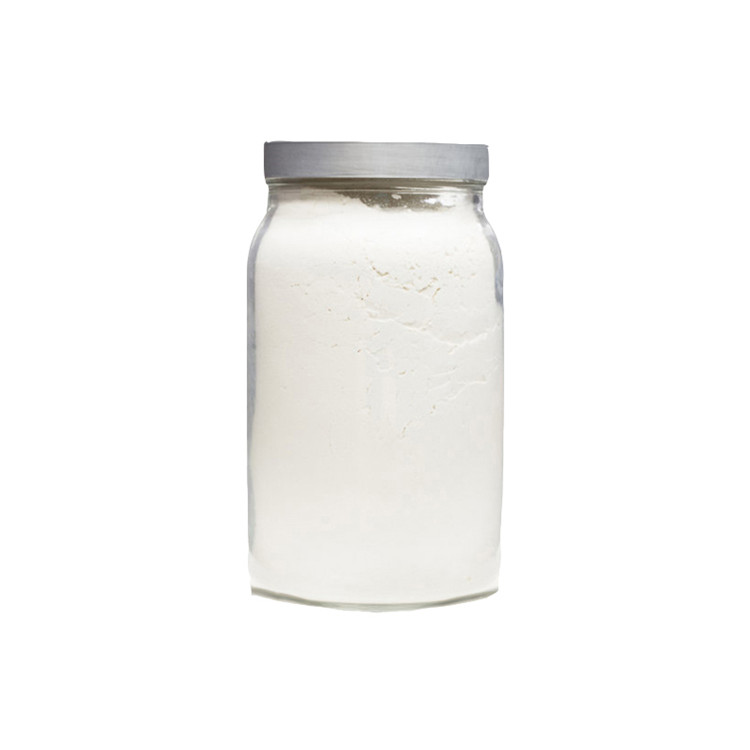
High Quality WR Hydrophobic Agent from China - Trusted Suppliers & Reliable Factory Solutions
Product Overview
Hydrophobic agent is a type of chemical that can significantly reduce the affinity of a material's surface to water, thus making it hydrophobic.
Product Characteristics
Excellent Hydrophobic Effect
It can greatly reduce the wetting degree of the material surface, so that the water droplets are easy to roll off the surface.
Stability
The hydrophobic effect after treatment is durable and stable, and is not easy to change due to environmental factors.
Permeability
While giving the material hydrophobic properties, it often does not affect its permeability.
Weather Resistance
Good light resistance, temperature resistance, chemical corrosion resistance and other properties.
Product Use
Architectural Field
- Exterior wall coating: make the wall with waterproof, self-cleaning function, reduce dirt adhesion.
- Concrete protection: prevent moisture penetration and improve the durability of concrete structures.
Textile Industry
- Fabric finishing: make clothes, curtains, etc., have waterproof and antifouling properties.
- Functional fabrics: such as outdoor sports clothing, with good water repellent properties.
Electronics Industry
- Circuit board protection: prevent moisture erosion of electronic components.
Stone Protection
- Improve the waterproof and antifouling ability of stone and extend the service life.
Production Process
There are various types of hydrophobic agents and different production processes. Common methods are the synthesis, modification, or preparation of fluoride by organic silicon compounds.
Market Prospects
With the continuous improvement of people's demand for material functionality, the application of hydrophobic agents in various fields continues to expand. Especially in the fields of building energy efficiency, high-end textiles and electronic protection, the market demand for hydrophobic agents has shown a trend of continuous growth.
Use Precautions
- Surface pretreatment: Ensure that the surface of the treated material is clean and dry to improve the adhesion effect of the hydrophobic agent.
- Concentration and dosage control: According to the nature of the material and application requirements, reasonable adjustment of the concentration and use of hydrophobic agent.
- Construction method: Using appropriate coating, impregnation and other construction methods to ensure uniform treatment.
For example, in the treatment of building exterior walls, the correct use of hydrophobic agents can effectively reduce the infiltration of rainwater and reduce the maintenance cost of the building; In the textile industry, it can make clothes maintain comfort while having good waterproof performance.
In short, Hydrophobic agent provides an important solution for the performance improvement and function expansion of materials, and it has broad application prospect and market potential.
Technical Indicators
| Model | WR-50 |
|---|---|
| Appearance | White, easily flowing powder |
| Silicon content /% | 18-22 |
| Bulk density /g/L | 500-750 |
Application Areas
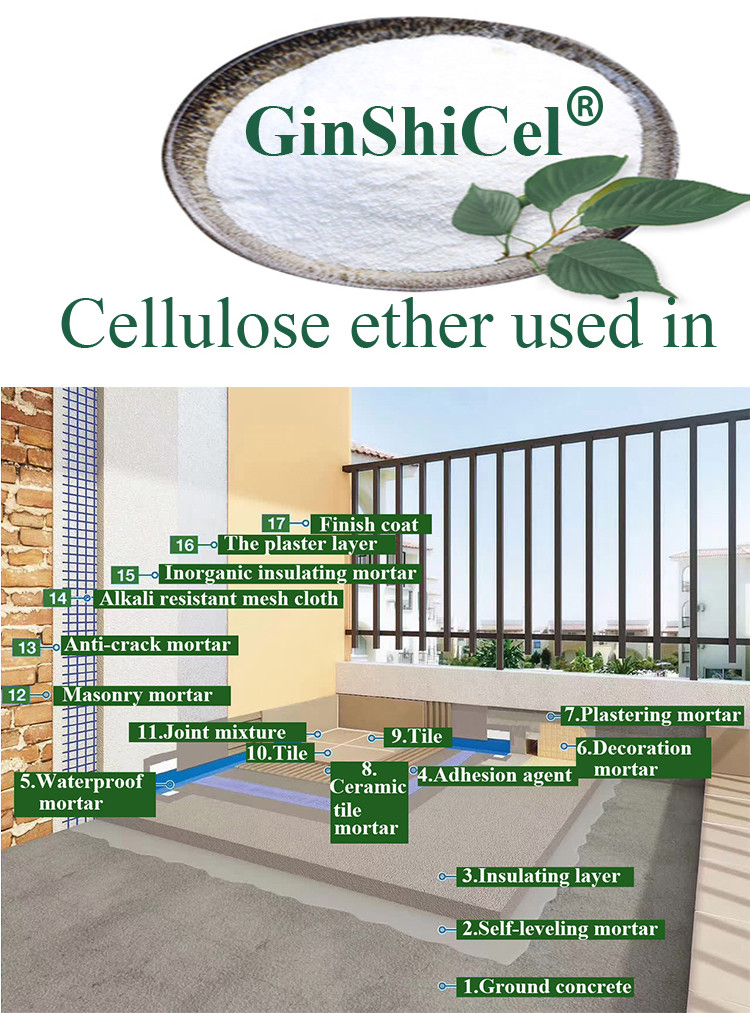
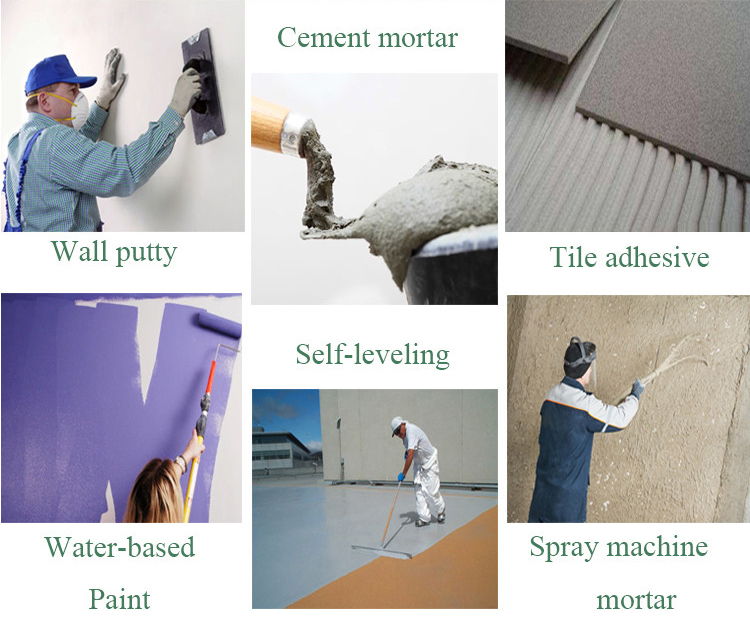
- Waterproof mortar
- Waterproof coating
- Tile sealant
- Exterior wall insulation mortar
- Other mortar with hydrophobic requirements
Application Performance
- Superhydrophobicity
- High temperature resistance
- Good dispersibility
- Excellent freeze/thaw cycle, antioxidant properties, radiation resistance
- Anti-spalling performance
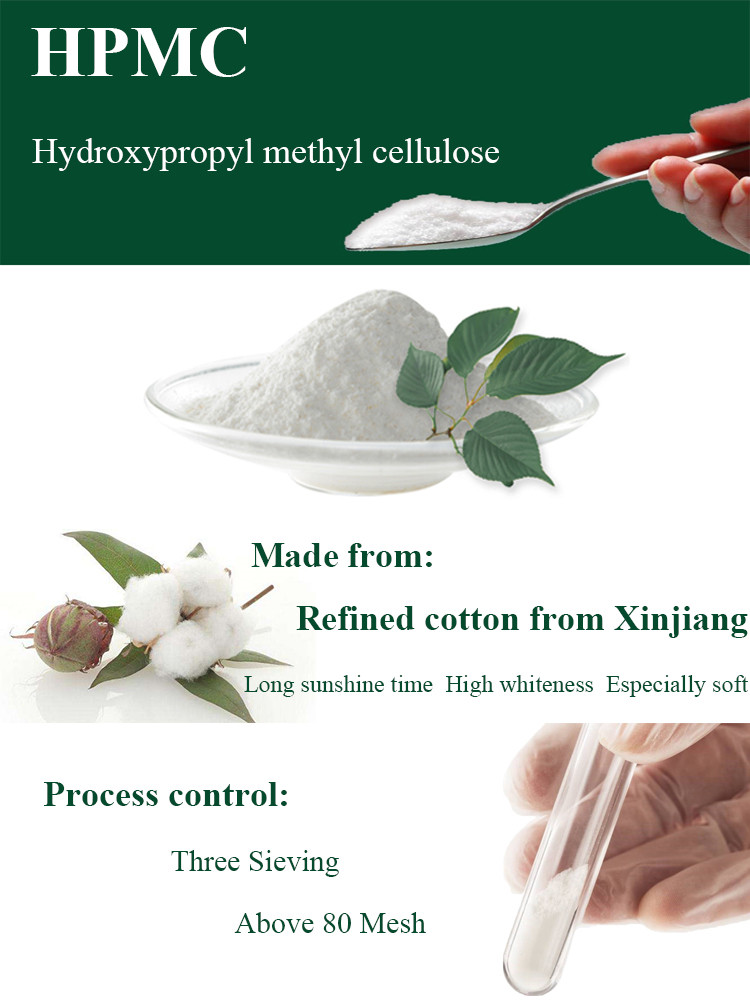
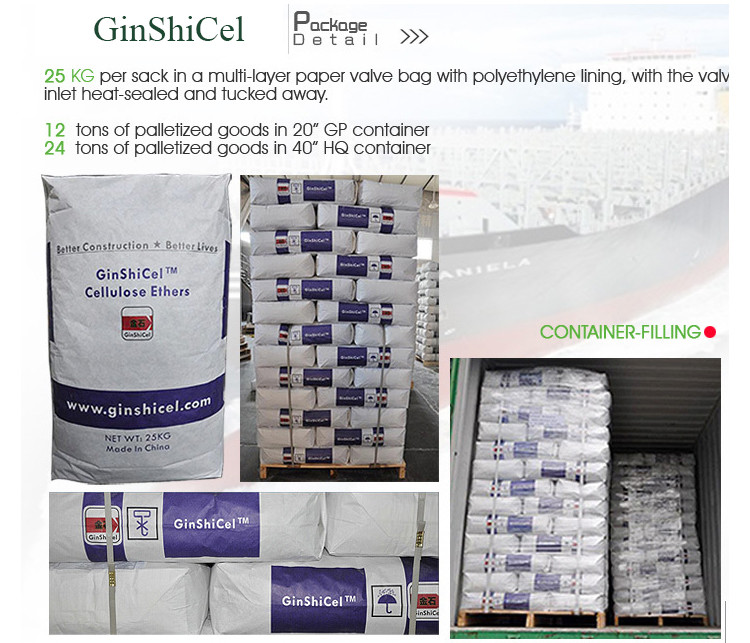
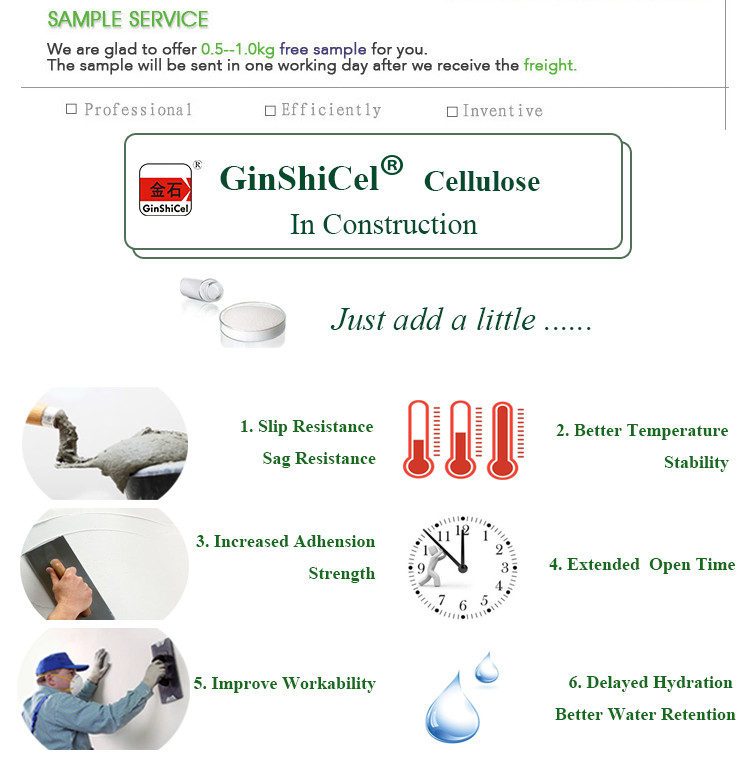
Details Pictures



Frequently Asked Questions
Q1
What is a hydrophobic agent and how does it function?
A hydrophobic agent is a chemical product designed to significantly reduce a material surface's affinity to water, allowing water droplets to easily roll off without compromising surface breathability.
Q2
What are the key technical specifications of WR-50?
Model WR-50 is a white, easily flowing powder featuring a silicon content of 18-22% and a bulk density ranging between 500 and 750 g/L.
Q3
In which industries is this hydrophobic agent commonly applied?
It is widely used in architectural building materials (waterproof mortar, coatings, concrete, stone), textiles (clothing, curtains, functional fabrics), and electronics (circuit board moisture protection).
Q4
Does applying a hydrophobic agent affect the permeability of the material?
No, while providing excellent water-repellent and hydrophobic characteristics, it is designed so that it typically does not affect the material's breathability and permeability.
Q5
What precautions should be taken before and during construction?
Ensure the base surface is thoroughly cleaned and dry. Properly adjust the concentration and dosage according to the application, and apply via suitable uniform coating or impregnation techniques.
Q6
How does the hydrophobic agent perform against harsh environmental conditions?
It offers strong stability and weather resistance, with superior freeze/thaw cycle resilience, high temperature tolerance, radiation resistance, antioxidant properties, and anti-spalling performance.