

High Quality MC Methyl Cellulose Suppliers in China - Odorless, Non-Toxic Powder from Reliable Factory
Product Overview
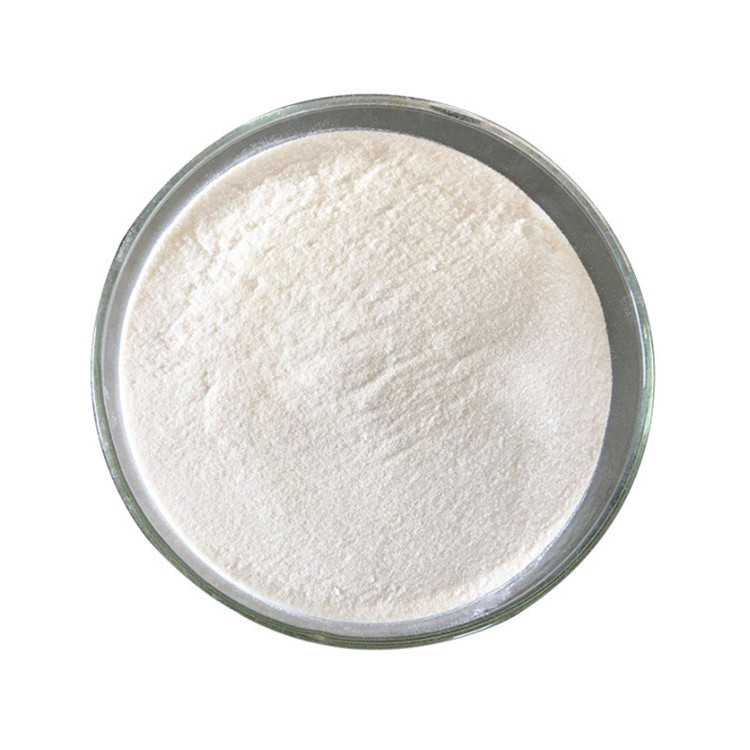
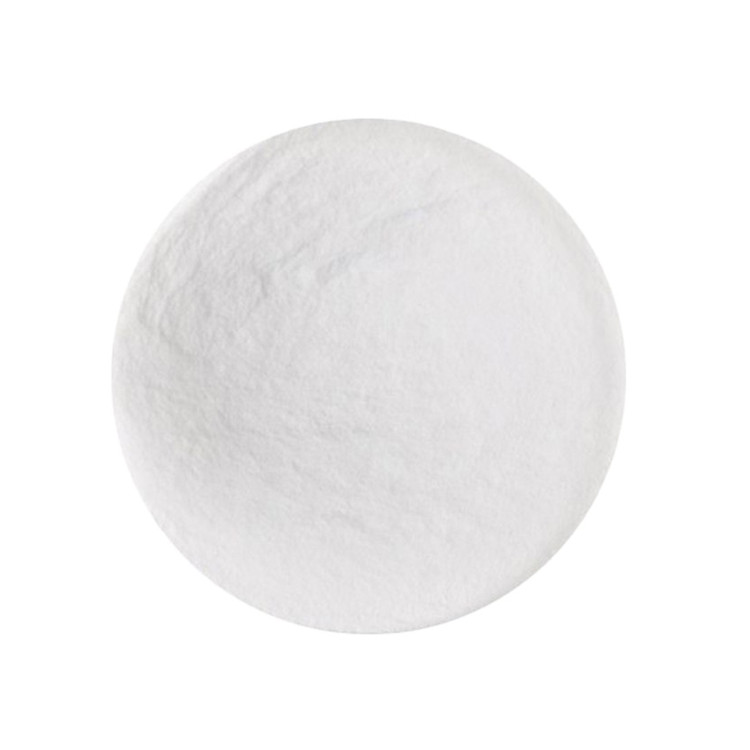
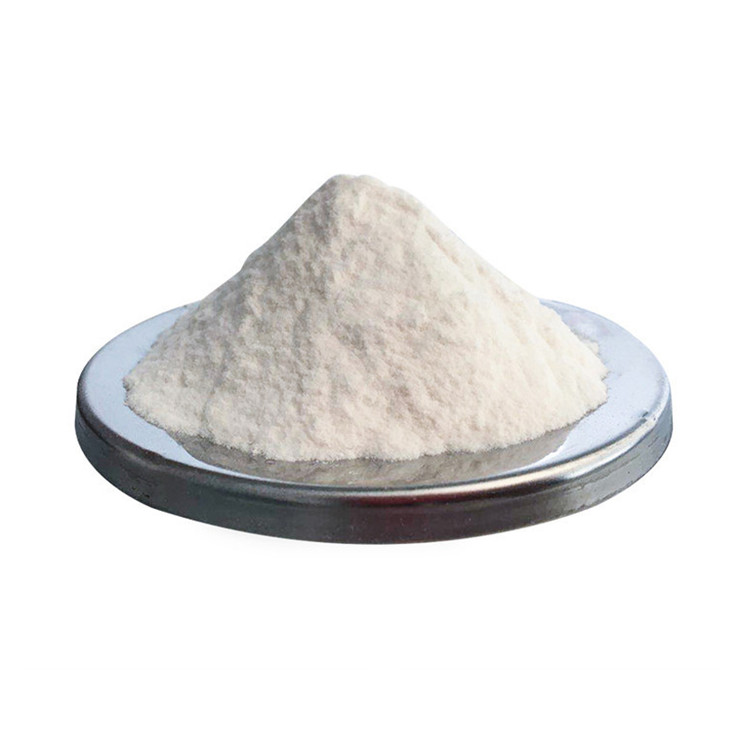
Methyl Cellulose is a polymer chemically modified from natural cellulose, usually in white or white-like powder form.
Product Characteristics
Product Use
Production Process
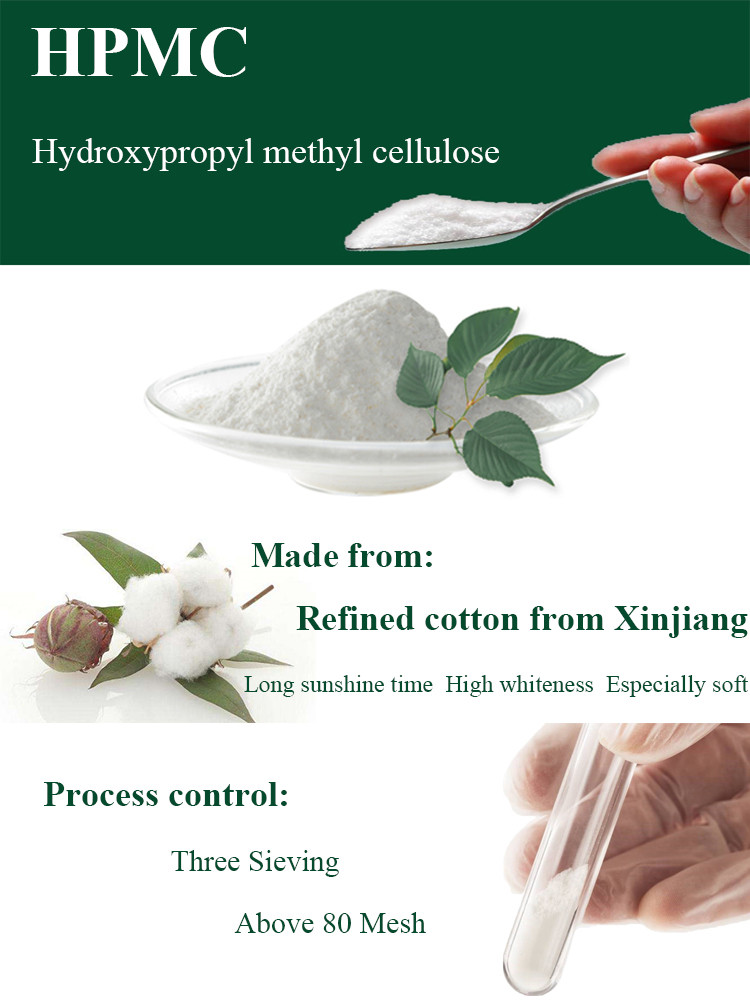
It is generally made from cellulose by etherification reaction with chloromethane.
Market Prospects
With the continuous improvement of product performance and quality requirements in various industries, the market demand of Methyl Cellulose continues to grow. Especially in the construction and food industries, the recognition and demand for its performance are increasing, providing a broad space for its market development.
Use Precautions
- Store with moisture, sun protection and avoid contact with strong oxidants.
- When dissolving, stir evenly to avoid agglomeration.
- In the process of use, the amount of addition should be precisely controlled according to the specific application requirements and formulas.
In summary, Methyl Cellulose, with its unique properties and wide range of uses, has become an indispensable ingredient in many fields and plays a key role in improving product quality and performance.
Characteristics

Usage
Technical Indicators
| Appearance | White or yellowish powder |
| Methoxyl group content /% | 27.5-31.5 |
| Fineness /% | 80 mesh sieve residue≤8.0 |
| Dry weight loss rate /% | ≤5.0 |
| Ash/% | ≤1.0 |
| Viscosity /MPa·S | 5.0 - 60000.0 |
| PH value | 5.0-9.0 |
| Light transmittance /% | ≥80 |
Details Pictures


Frequently Asked Questions
Methyl Cellulose is a polymer chemically modified from natural cellulose, generally appearing in the form of a white or white-like powder.
Methyl Cellulose dissolves in cold water to form a thick, transparent solution. When heated, it undergoes hot gelation to form a gel, and returns to a solution state upon cooling.
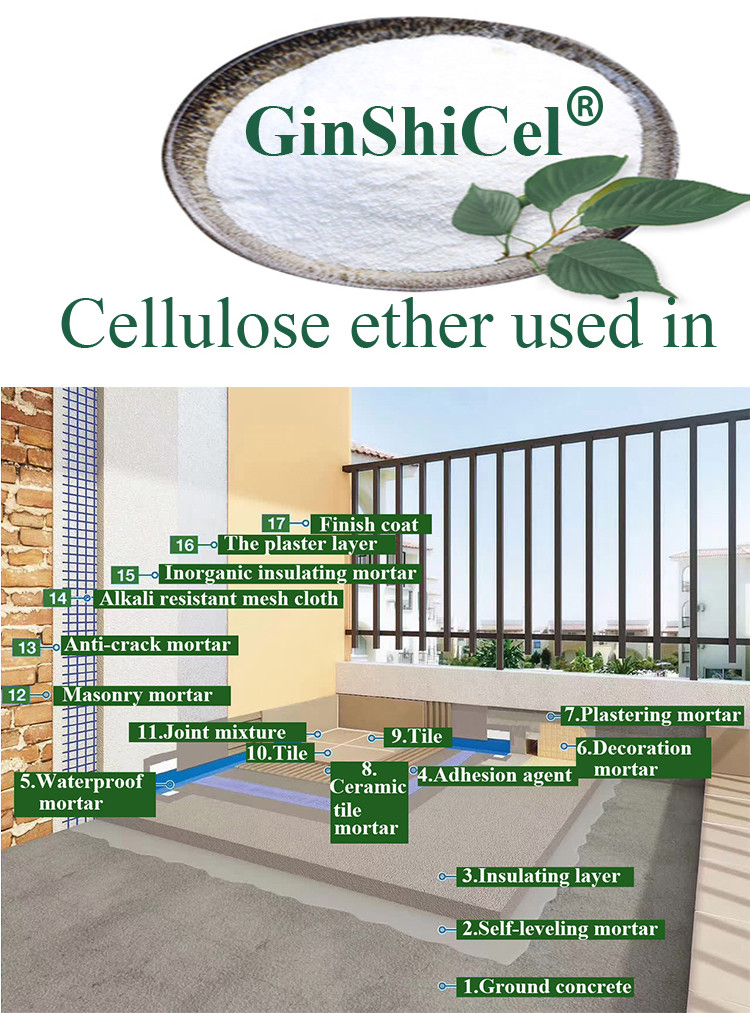
It is widely used in building materials and construction (cement mortar water retention), food products (ice cream, jelly), pharmaceuticals (tablet adhesives/coatings), daily chemical products (shampoo, toothpaste), coatings, cosmetics, oil drilling, and printing and dyeing industries.
It is generally produced from natural cellulose through an etherification reaction using chloromethane.
Store with protection against moisture and sunlight, and avoid contact with strong oxidants. When dissolving, ensure even stirring to prevent agglomeration, and accurately control the dosage per application requirements.
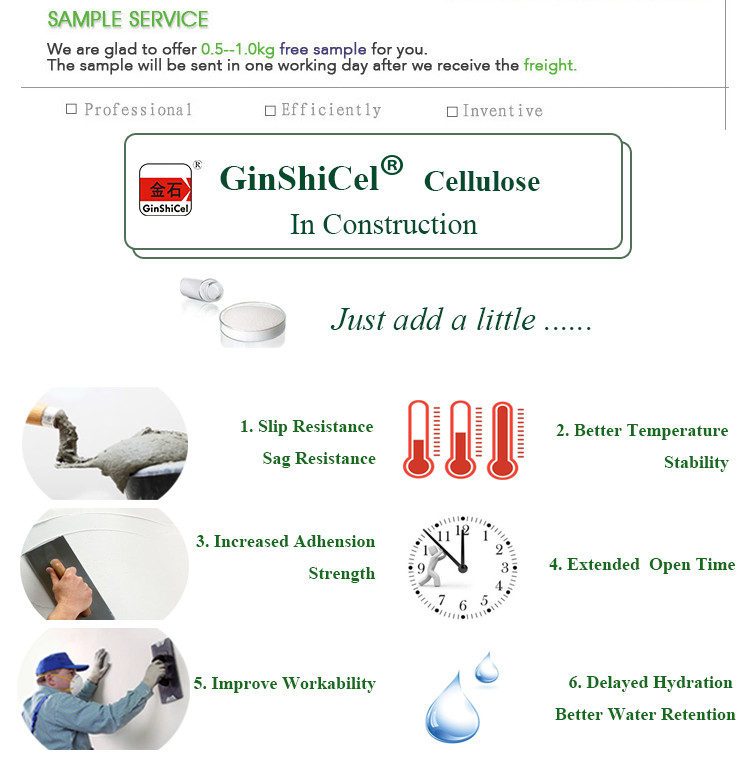
Its primary characteristics include thickening, bonding, dispersion, emulsification, film forming, suspension, adsorption, surface activity, water retention, and salt resistance.